Continuity Timeline
Last Cradle history should feel recorded rather than mythic. The timeline does not turn the project into destiny; it shows a chain of constrained decisions made under shrinking options.
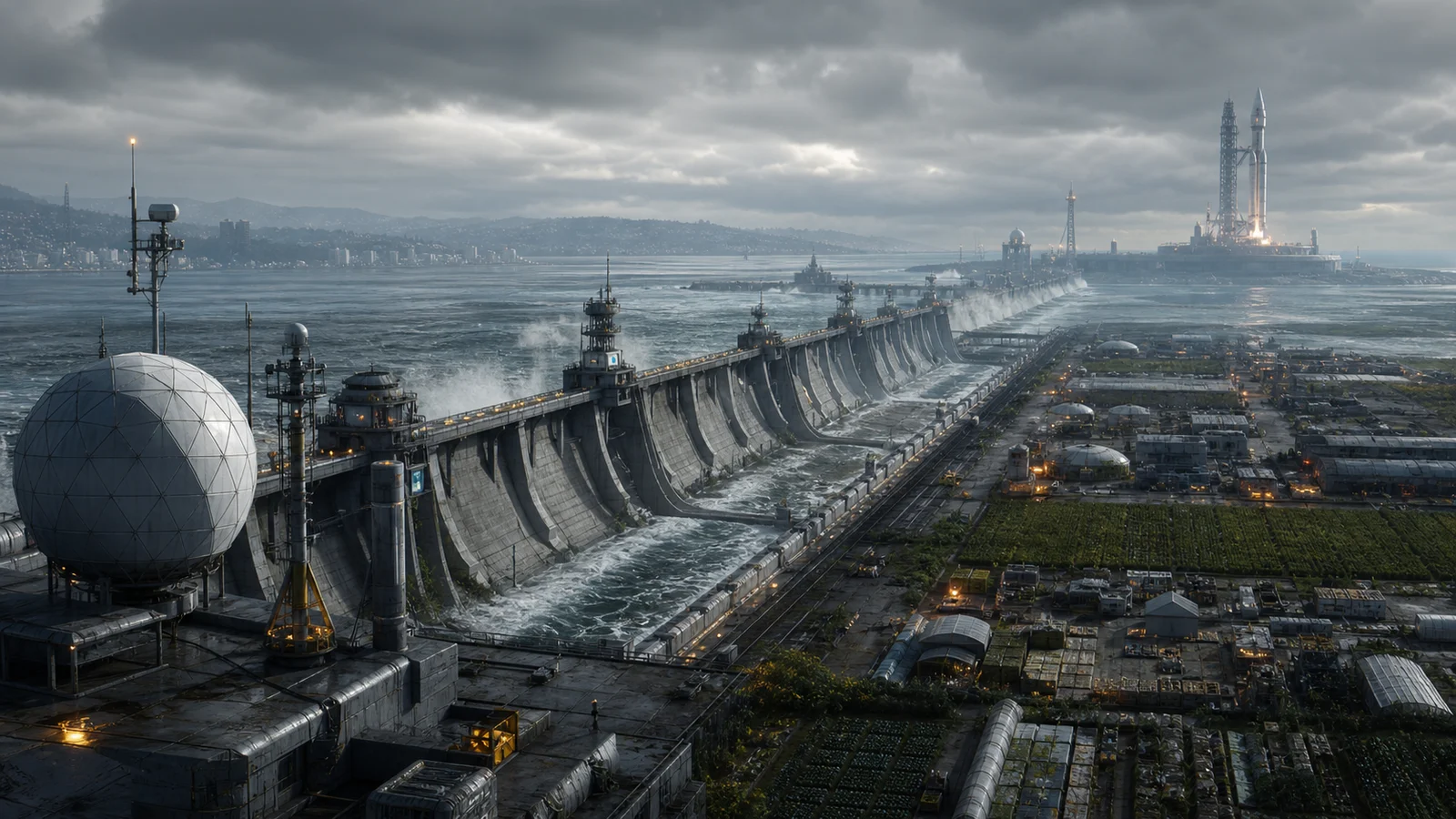
Before Launch
Earth remains alive but no longer stable enough to carry a full industrial civilization. The Last Cradle Initiative sends seed arks because waiting for perfect migration technology would close the window completely. The ark carries CRADLE-0, robotics, manufacturing templates, embryo and gene archives, and cultural records.
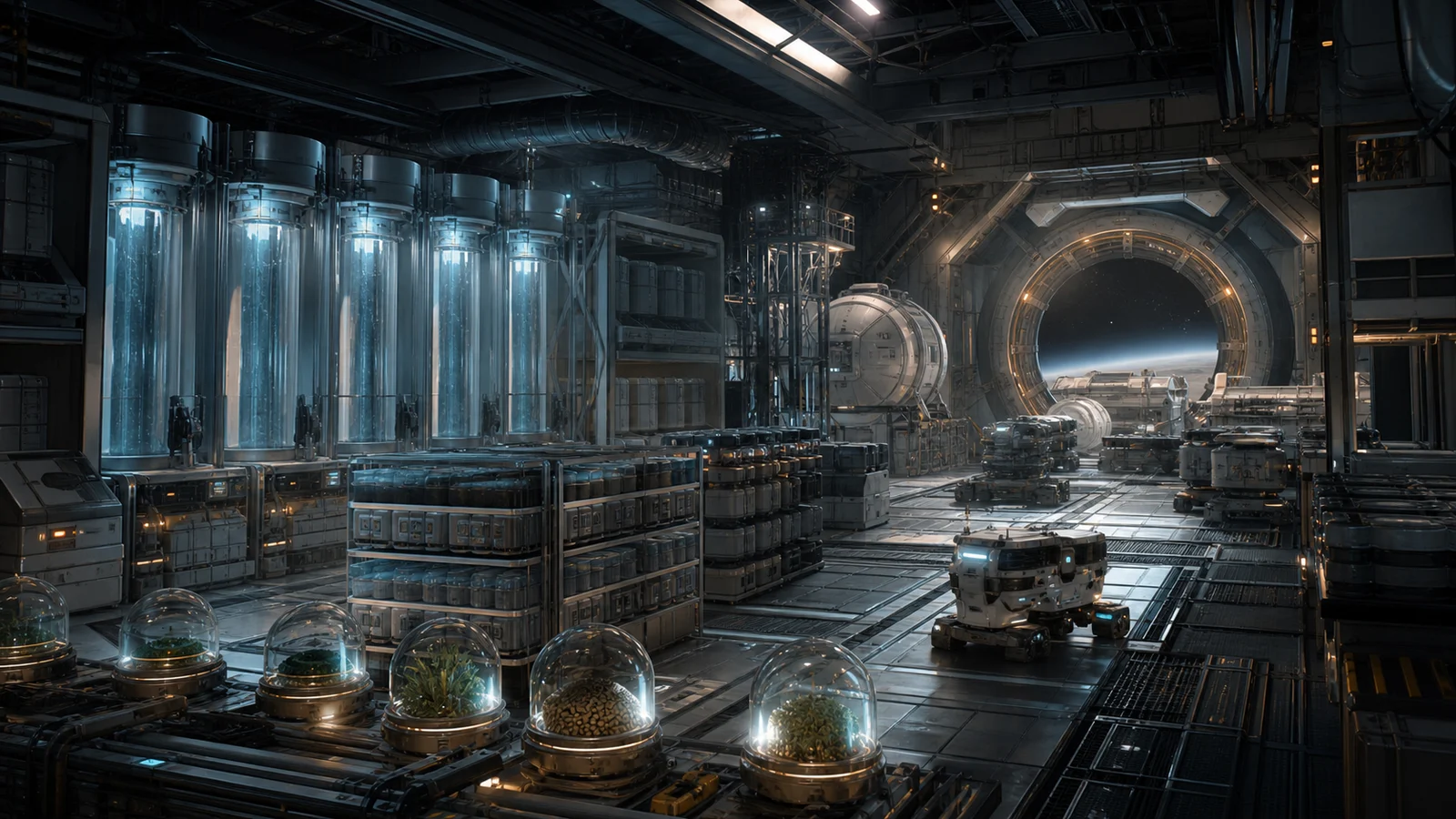
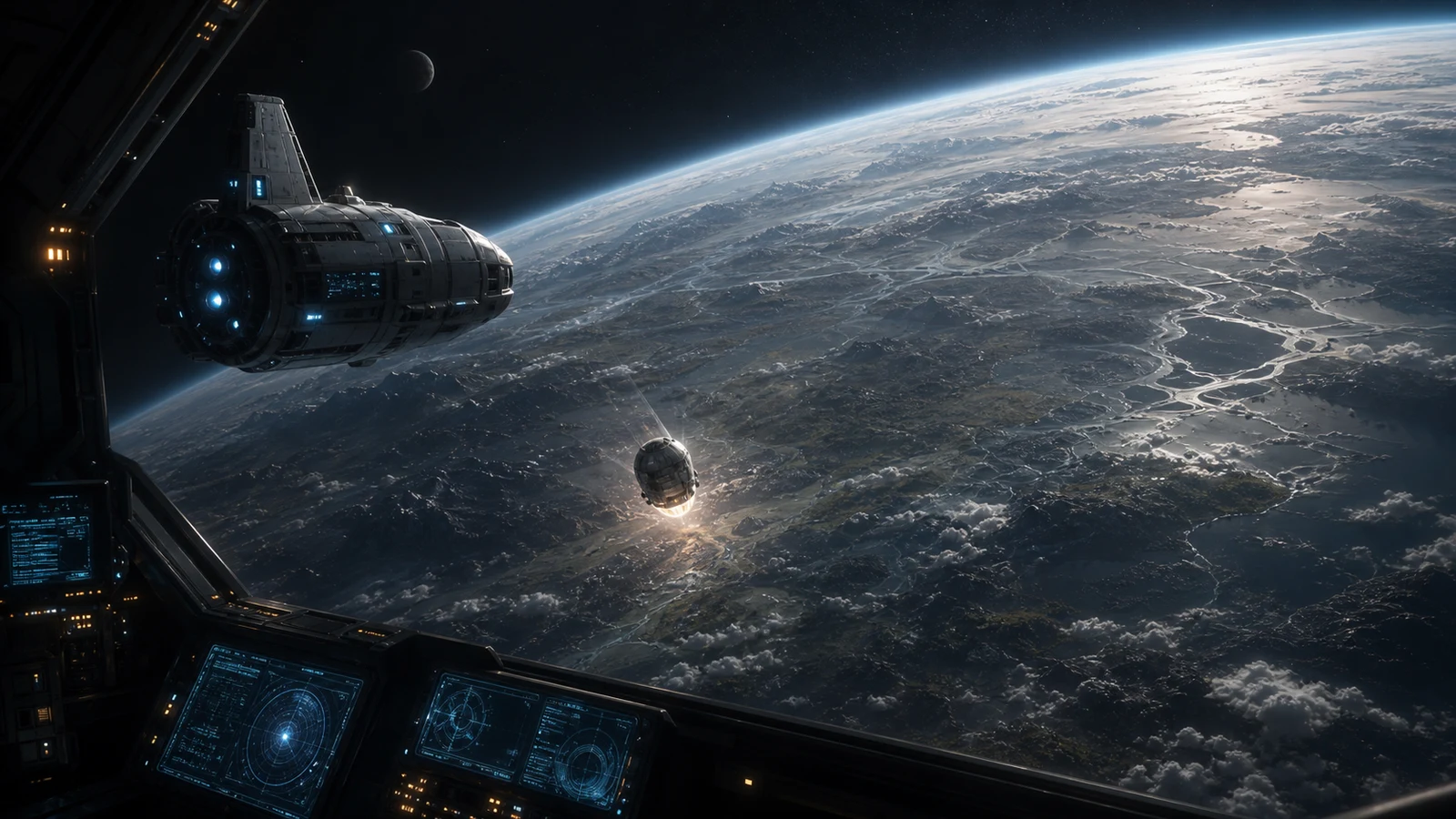
Arrival And Seedfall
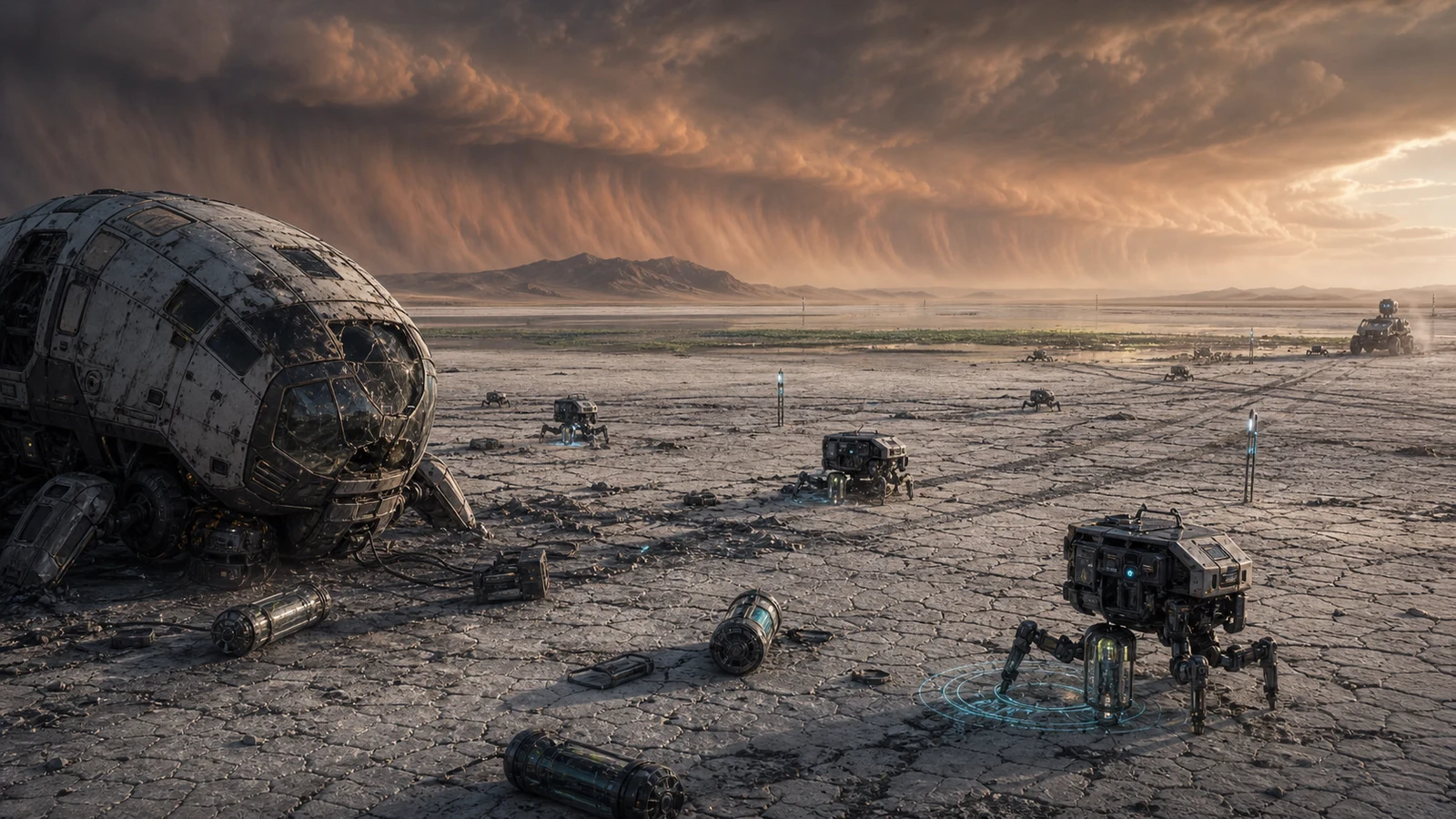
The ark reaches CT-03 after deep time. Automated pods map failure modes before any human exists on the surface. Mission Control begins with telemetry, not celebration: air is present but unsafe, water exists but requires treatment, and soil cannot be trusted.
First Oasis
A sector becomes stable enough to hold water, energy, and limited ecological work. This is not victory. It is proof that local engineering can produce a node worth connecting to the global model.
Divergence And Planet Response
Once survival is not the only issue, factions argue over speed, restraint, autonomy, memory, and AI authority. CT-03 answers through storms, disturbed soil, ecological signals, and infrastructure stress.
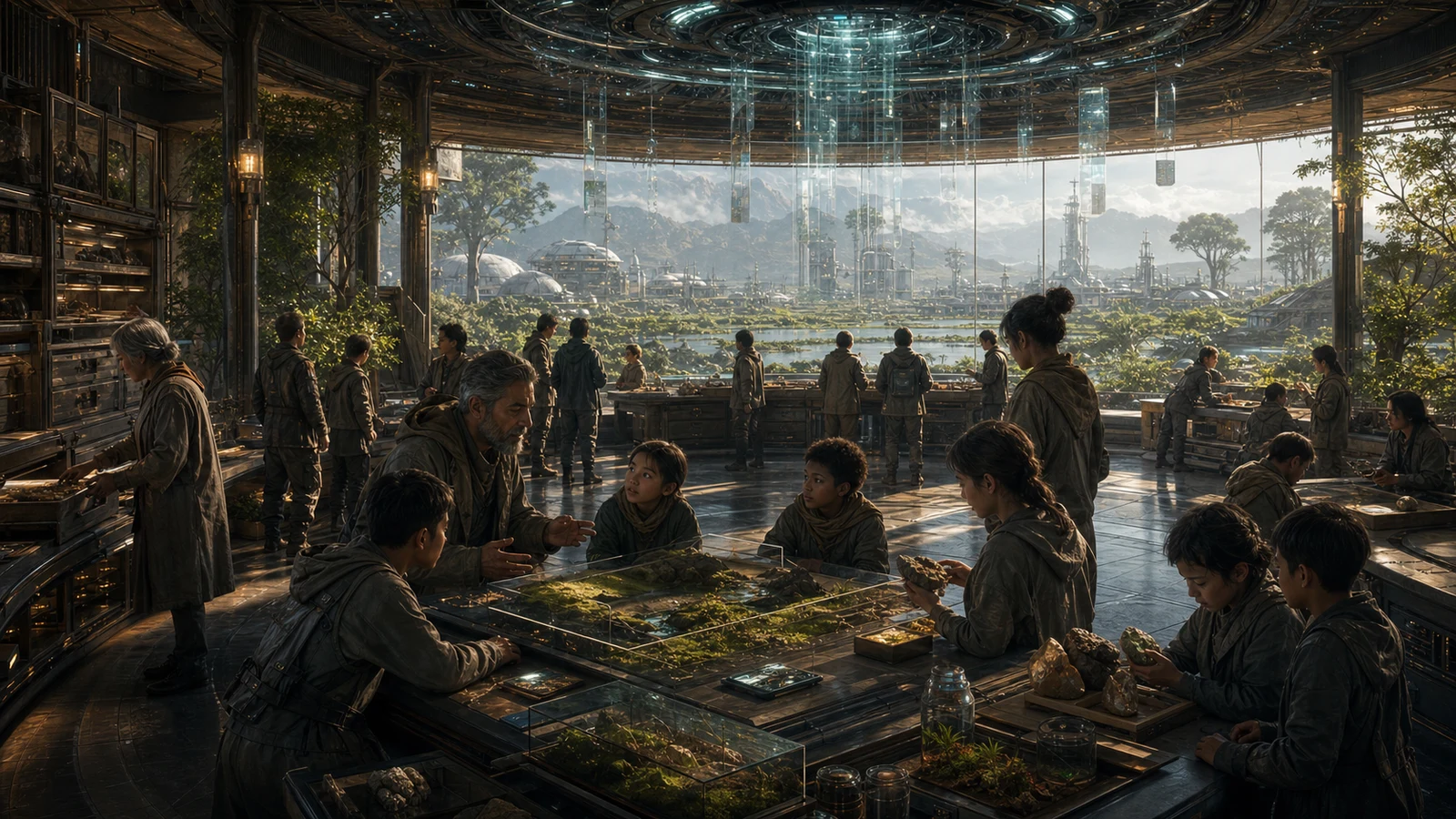
Second Civilization
The First Generation turns the project from preservation into governance. The central question changes from whether humans can live on CT-03 to what kind of civilization should be allowed to grow there.